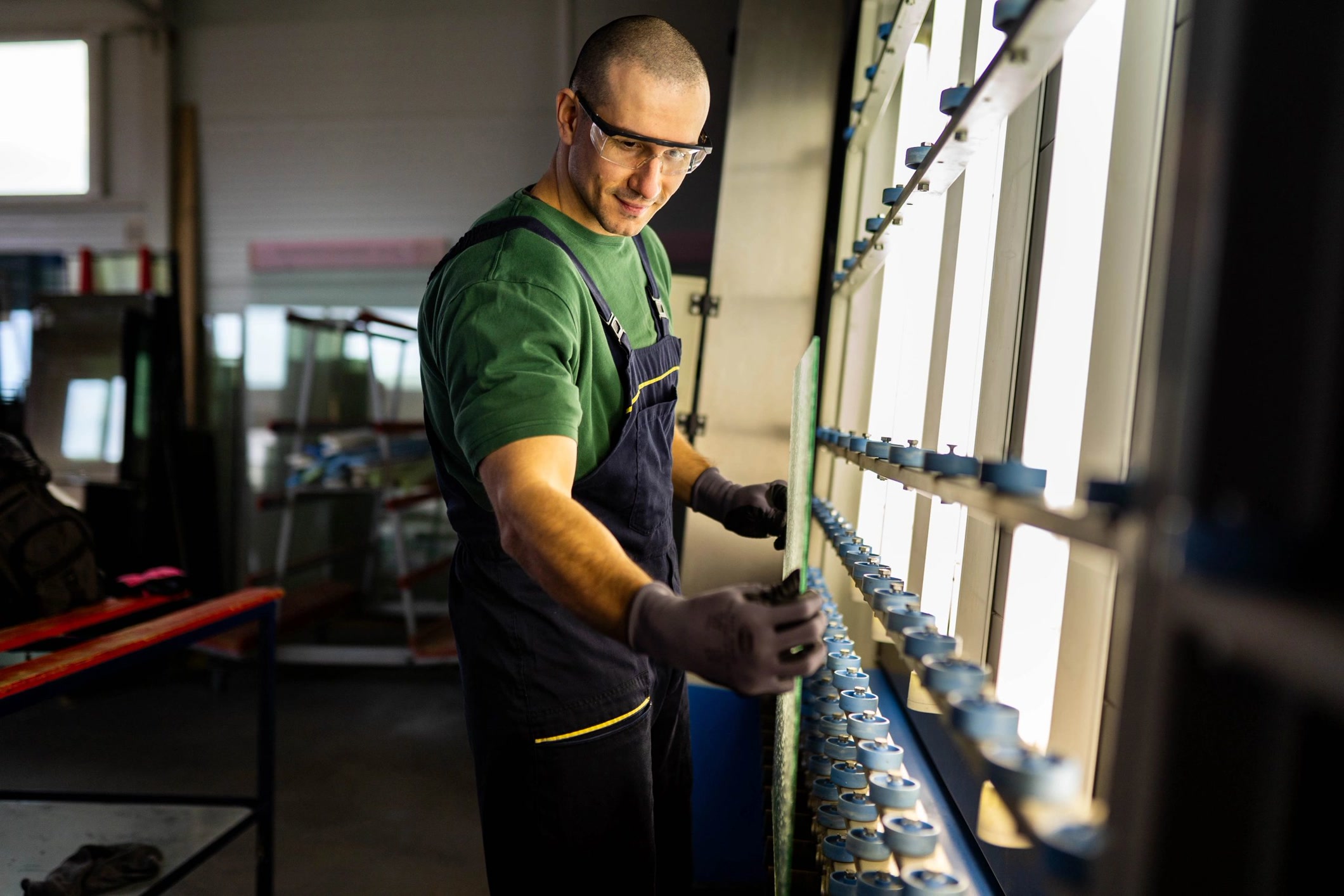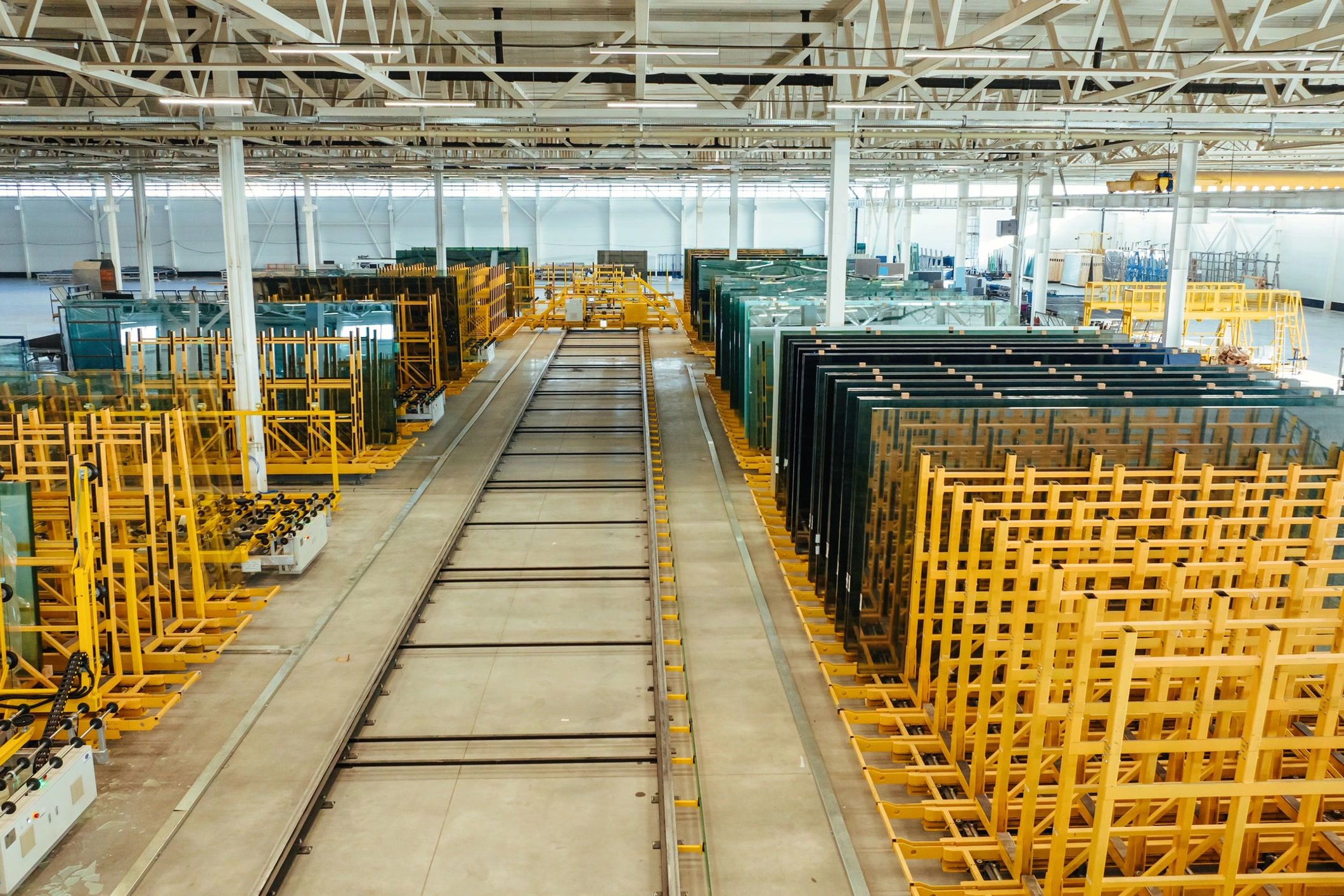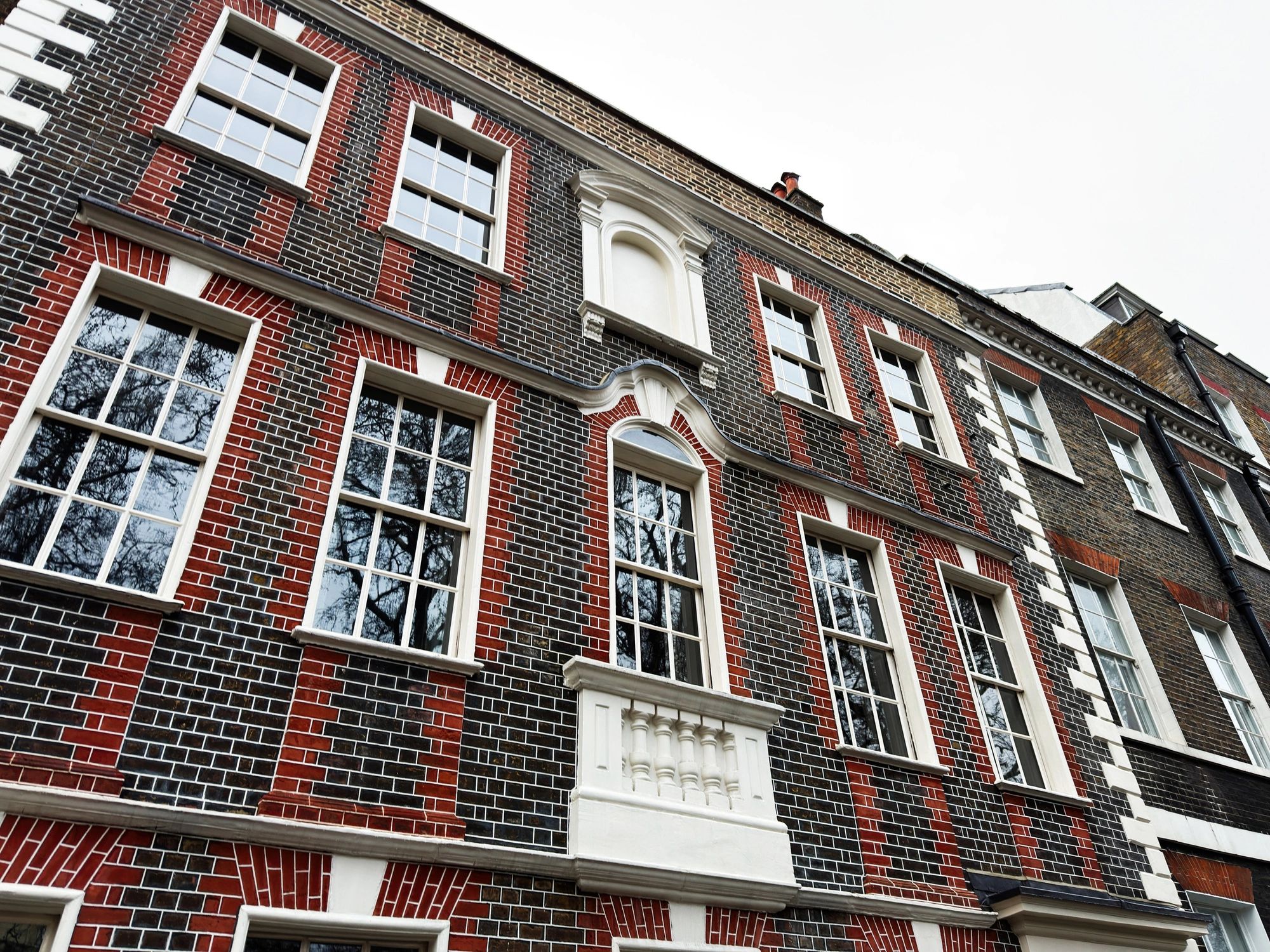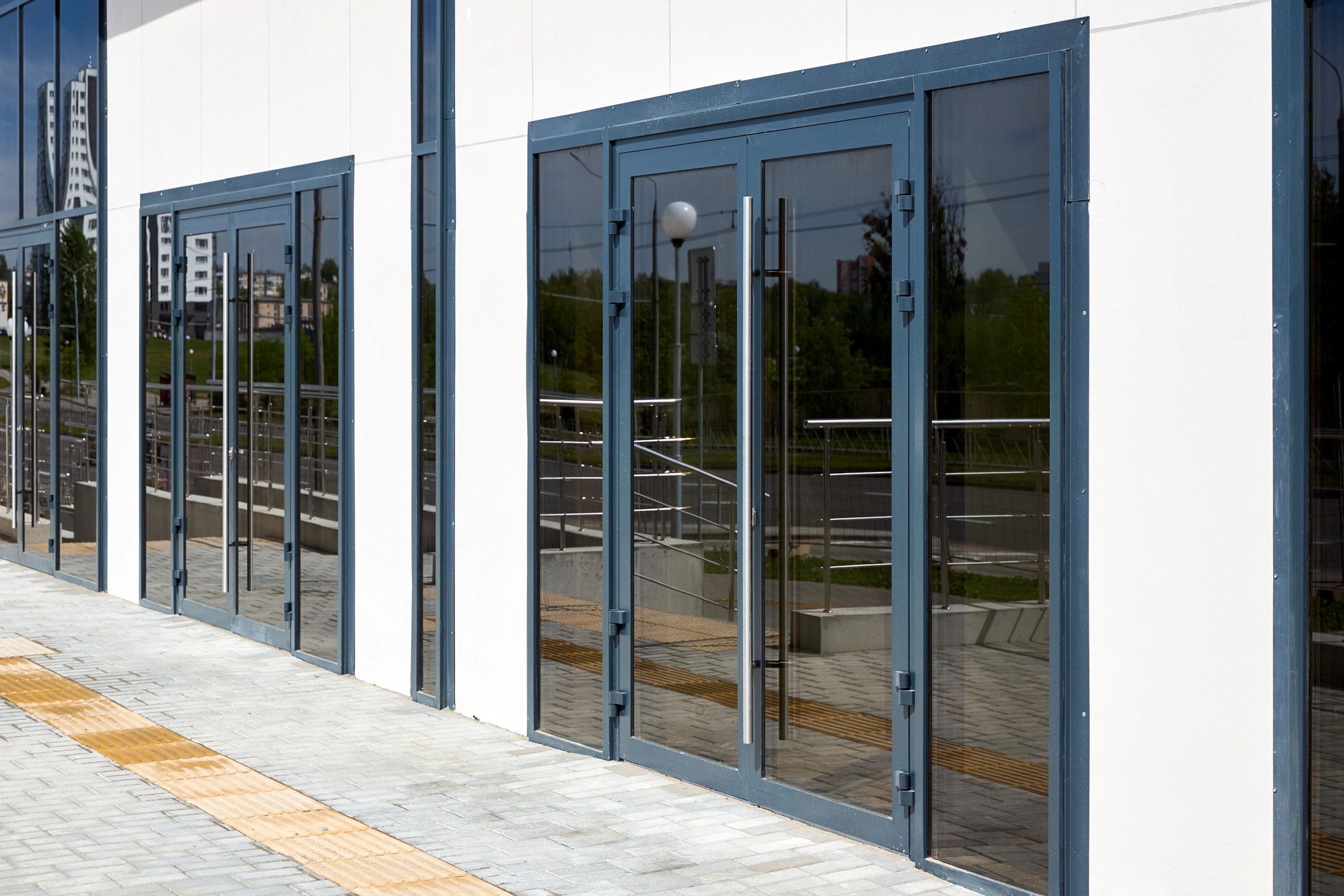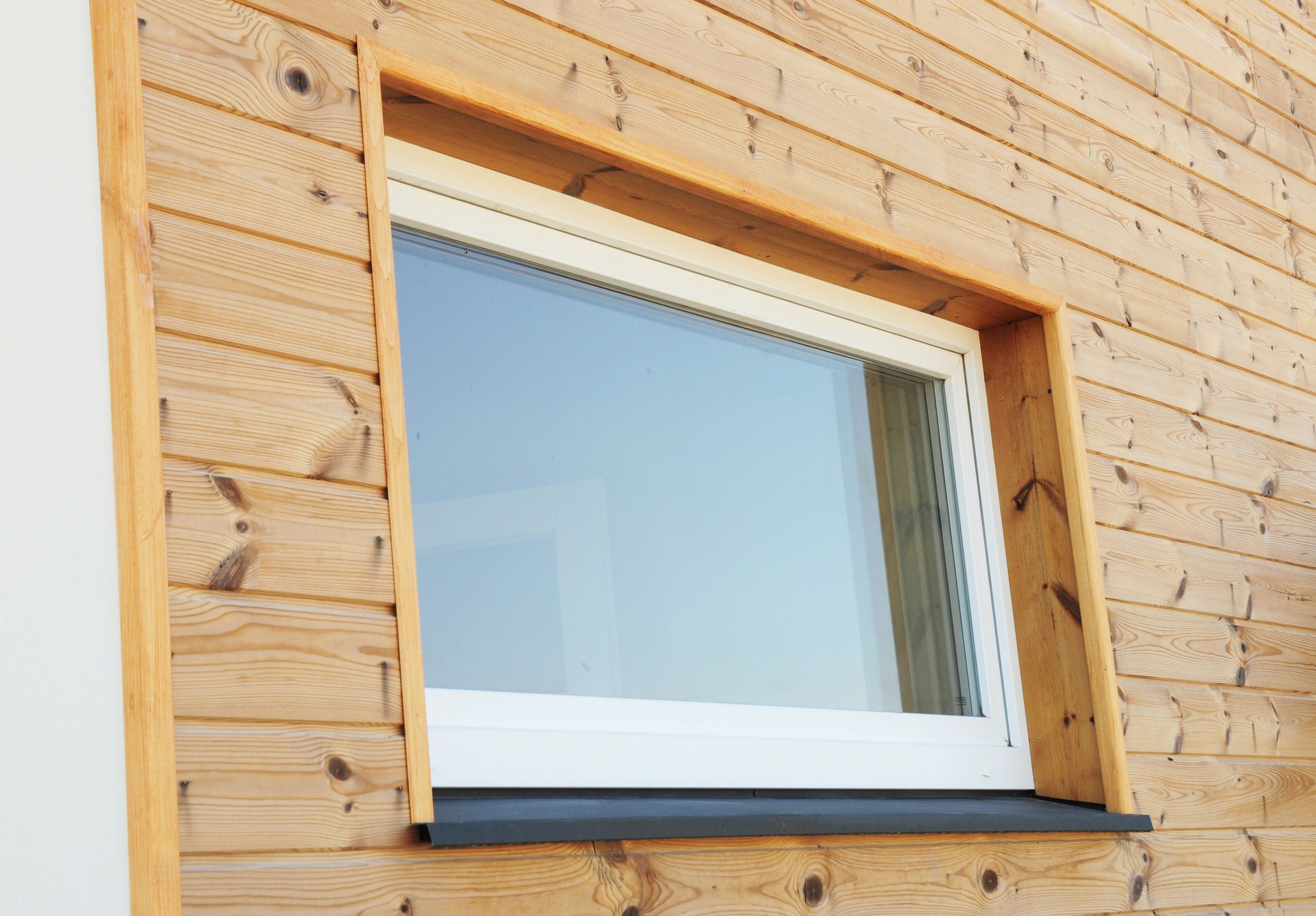

Handling Vacuum Glass: A Field Guide to Preventing Damage
Most vacuum glass damage happens between the factory and the frame. How to receive, store, transport, and clean VIG units without losing the vacuum.
Insights
Engineering-reviewed methodology, performance data, and application guides for vacuum insulating glass — written for engineers, architects, and facility managers.

Most vacuum glass damage happens between the factory and the frame. How to receive, store, transport, and clean VIG units without losing the vacuum.


How vacuum glass retrofits cut NYC Local Law 97 emissions and fines before the stricter 2030 limits take effect.

Handling, framing and glazing guidance for VIG in new and existing frames — what glaziers and installers should know.

Does the vacuum hold, what about the edge seal and pillars — straight answers to the durability questions buyers ask most.

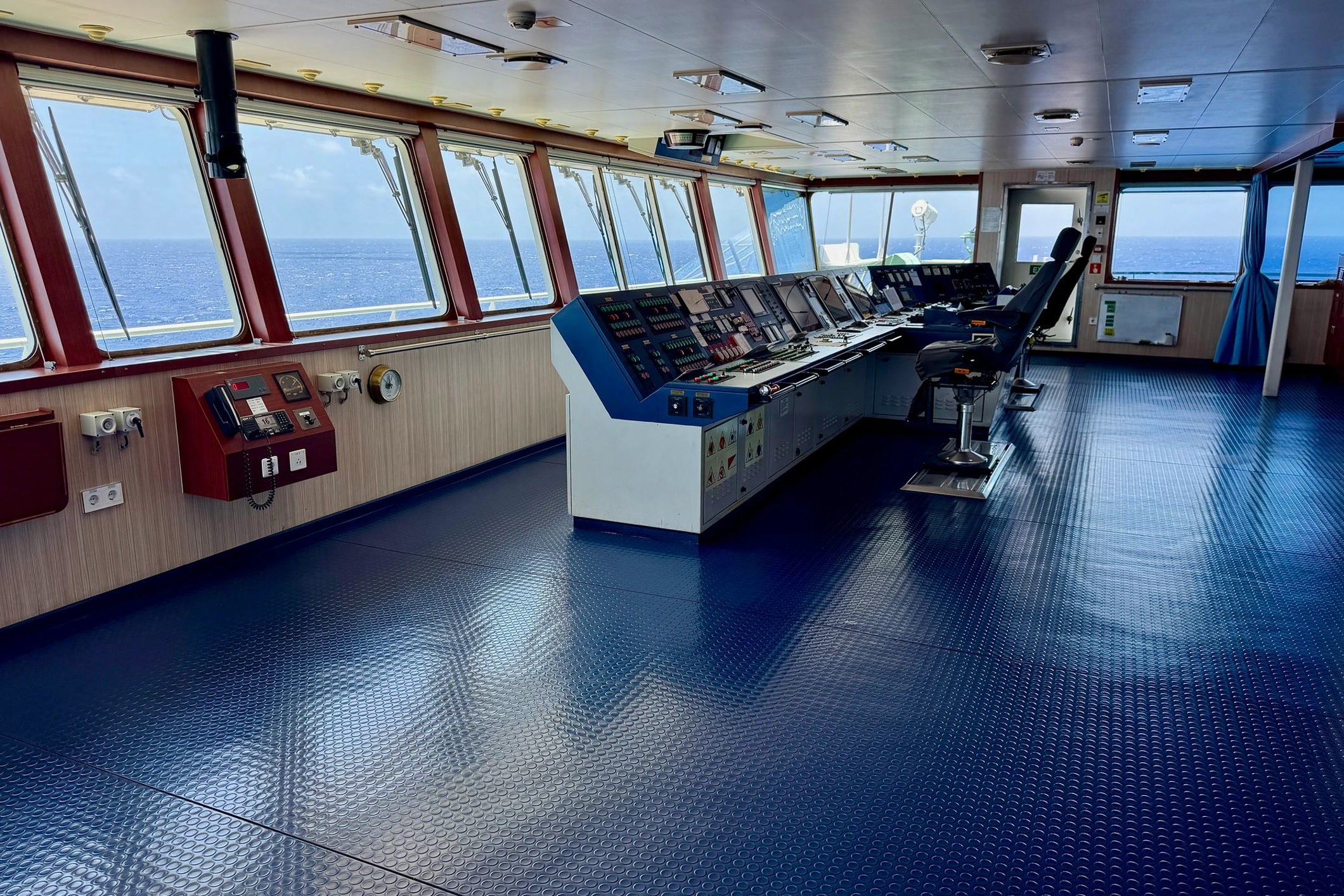
Metric specs for EU and UK vessels: EN 673 and EN ISO 10077-1 values, acoustics, polar conditions, fire advisory and EUR pricing.

About 50% lighter than a 24 mm triple-pane unit with better insulation: passive defogging, four-season comfort and a fit for existing frames.

Thin VIG helps construction vehicle cabs with defogging, noise, HVAC load and operator comfort — without redesigning the cab.

Why owning a turnkey vacuum insulated glass production line can make sense for glass processors, window makers and investors.

Three PV module types combined with warm-edge VIG: output, light transmission, and how to model the combined return.

A step-by-step method for annual savings, simple payback and NPV, with a worked example from the THERMGLASS ROI Engine.

Both outperform double glazing — but thickness, weight, condensation and retrofit fit decide which one belongs in your project.

One scenario is an anecdote. We swept climate zone, heating fuel, and installed premium through the ROI engine to map where VIG-over-triple-pane payback actually moves.

The engine-backed verdict: vacuum glass vs. triple-pane on U-values, weight, acoustics, condensation margin, and payback at exact default inputs.

A 60 m world-cruise yacht re-glazes its bridge with vacuum glass. Modeled on onboard generator power at $0.35/kWh: about $1,458 a year saved and a 7.2-year payback.

Facility-scale glazing for cold storage operators: cutting conduction 71–86% at the glass, holding vision panels above the dew point, and modeling the payback.

A four-season camper van conversion swaps factory single-pane windows for 6.3 mm vacuum glazing. The full case study walkthrough, with modeled outcomes.

Vacuum glass cuts display-door heat gain and takes anti-sweat heaters out of the loop — door U-values and heater watts, per ASHRAE Refrigeration 2022.

Bridge glass fogs from the first cold current. How vacuum glazing keeps wheelhouse glass dry and light — and what it changes for fuel and refits.

Window sweating is a surface-temperature problem. See how vacuum glazing keeps the inner pane above the dew point — even in deep-winter conditions.

How to use THERMGLASS's six ROI engines correctly — input assumptions, fuel type selection, climate zone data, and interpreting NPV outputs for VIG projects.

Quantifying compressor energy waste from high-U glass in walk-in coolers and freezers using ASHRAE Refrigeration 2022 §14 load models — with real payback calculations.

The U-value math, payback drivers, and a ten-minute path to modeling your own commercial retrofit with the free THERMGLASS ROI calculators and methodology.

How lower U-values cut HVAC tonnage and peak demand charges, with the sizing math and a worked peak-load example from the free THERMGLASS ROI engine.

Side-by-side analysis of U-values, SHGC, weight, and thickness across glazing types — with data grounded in EN 673 and NFRC 100 test standards.

How to win landmark commission approval for glazing upgrades: what the Secretary of the Interior's Standards ask, why 6.3 mm vacuum glass retains the character-defining sash, and the documentation packet that gets projects through review.

No sticker price fits every project — but the payback math does. What actually drives vacuum glass cost, the U-value-to-savings formula, and how building owners estimate payback honestly.

Vacuum glass vs. triple-pane compared: center-of-glass U-values, unit depth, weight, and installed-cost drivers — the spec-level comparison for your next project.

The Passive House window criterion is Uw ≤ 0.80 W/m²K. Here is the center-of-glass and frame math showing how vacuum insulated glass reaches it — and what to verify.

Retrofit glazing without rebuilding frames: how 6.3 mm vacuum insulated glass replaces single panes in original sashes — options, limits, and heritage considerations.

How vacuum insulated glass reaches U-values as low as 0.176 W/m²K center-of-glass at 6.3 mm thick — the physics, the spec numbers, and where VIG earns its keep.

A step-by-step methodology for calculating NPV, payback period, and annual energy savings from VIG upgrades using U-value differentials and ASHRAE steady-state models.
A monthly summary of new test data, ROI analyses, and specification guidance. No sales spam — unsubscribe anytime.
Use the THERMGLASS ROI engines to calculate energy payback for your specific project.