Most windows have one job: let light in while keeping heat where it belongs. Building-integrated photovoltaic (BIPV) glazing adds a second job, which is generating electricity. THERMGLASS combines BIPV with warm-edge vacuum insulated glass, so one unit insulates and produces power at the same time.
What BIPV glazing is
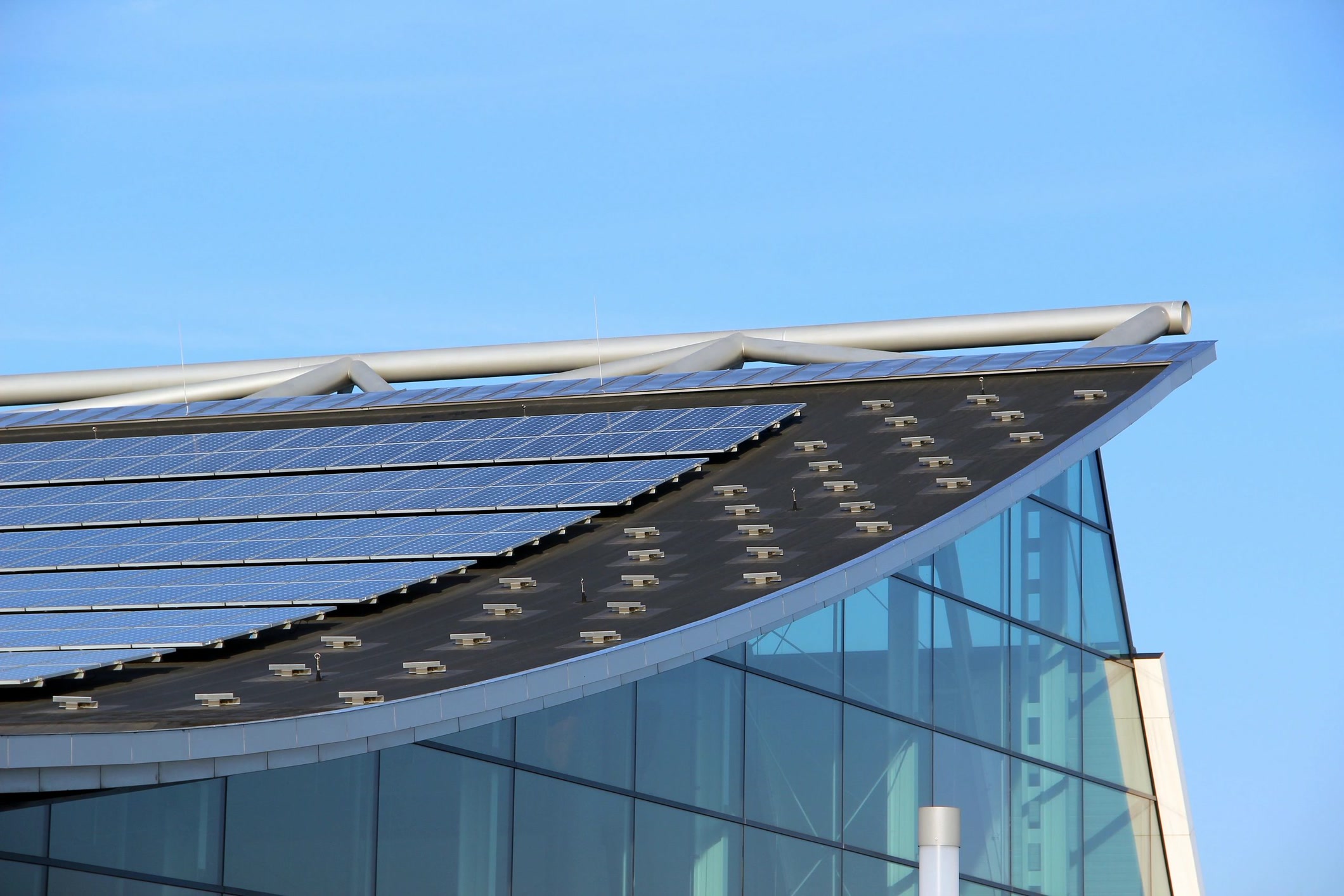
BIPV glass has solar cells built into the glazing itself. Instead of mounting panels on a roof, the facade, skylights or canopies become the power plant. Combining it with VIG keeps the thermal performance high, which plain solar glass can't do on its own.
Choosing a module type
THERMGLASS offers three PV technologies. They trade power output against visible light transmission (VLT):
- a-Si (amorphous silicon): 50 to 80 W/m², VLT 5% to 40%. The best choice where daylight and views matter.
- CIGS (thin-film): 100 to 130 W/m², VLT 5% to 20%. A balance of output and appearance with a uniform look.
- Mono-Si (crystalline): 150 to 180 W/m², VLT 5% to 15%. The highest output, best for spandrel zones, canopies and areas where views matter less.
Where BIPV + VIG fits
- South-, east- and west-facing curtain walls
- Spandrel panels, which are opaque already and can generate power at no cost to views
- Skylights, atriums and canopies
- Buildings under carbon or energy-performance rules, where on-site generation helps compliance
Two sources of return
BIPV + VIG pays back in two ways at once:
- Thermal savings from the vacuum glass's low U-value
- Electricity generated by the PV layer, either used on site or exported
Output depends on orientation, tilt, shading and local sunlight. Our model uses plane-of-array irradiance data based on IEC 61853-3 and PVGIS typical-year weather data.
Things to plan early
- Orientation and shading: vertical facades produce less than tilted roof arrays, so model each elevation
- Wiring: plan cable routes through the framing system during design, not after
- Approvals: confirm electrical code and utility interconnection requirements
- Appearance: choose VLT with the architect, since it affects both daylight and how the facade looks
Model your project
Use the THERMGLASS BIPV ROI Engine to compare module types and see thermal savings and PV revenue side by side for your area, energy price and orientation.
Open the BIPV Configurator, or send us a message for a project-specific estimate.
Keep reading
Generation is only half the envelope story. The BIPV facade scenario models the full glass specification on a real building, and how vacuum insulated glass is built explains the vacuum gap the PV laminate rides on.
Facade-integration context is on architectural vacuum glazing.