
Commercial retrofit budgets are approved in spreadsheets, not showrooms. A glazing upgrade competes with roof replacements, mechanical upgrades, and lobby refreshes for the same capital line — and glazing usually loses because its business case gets presented badly. The numbers that decide the vote are annual energy savings, payback period, and what tenants experience after the crew leaves. Vacuum insulated glazing changes that conversation, because the performance jump it delivers per opening is large enough to clear hurdle rates that a standard double-pane swap cannot touch. Here is how the economics actually work, and how to model your own building with the free tools already on this site.
Why commercial glazing retrofits stall in the spreadsheet
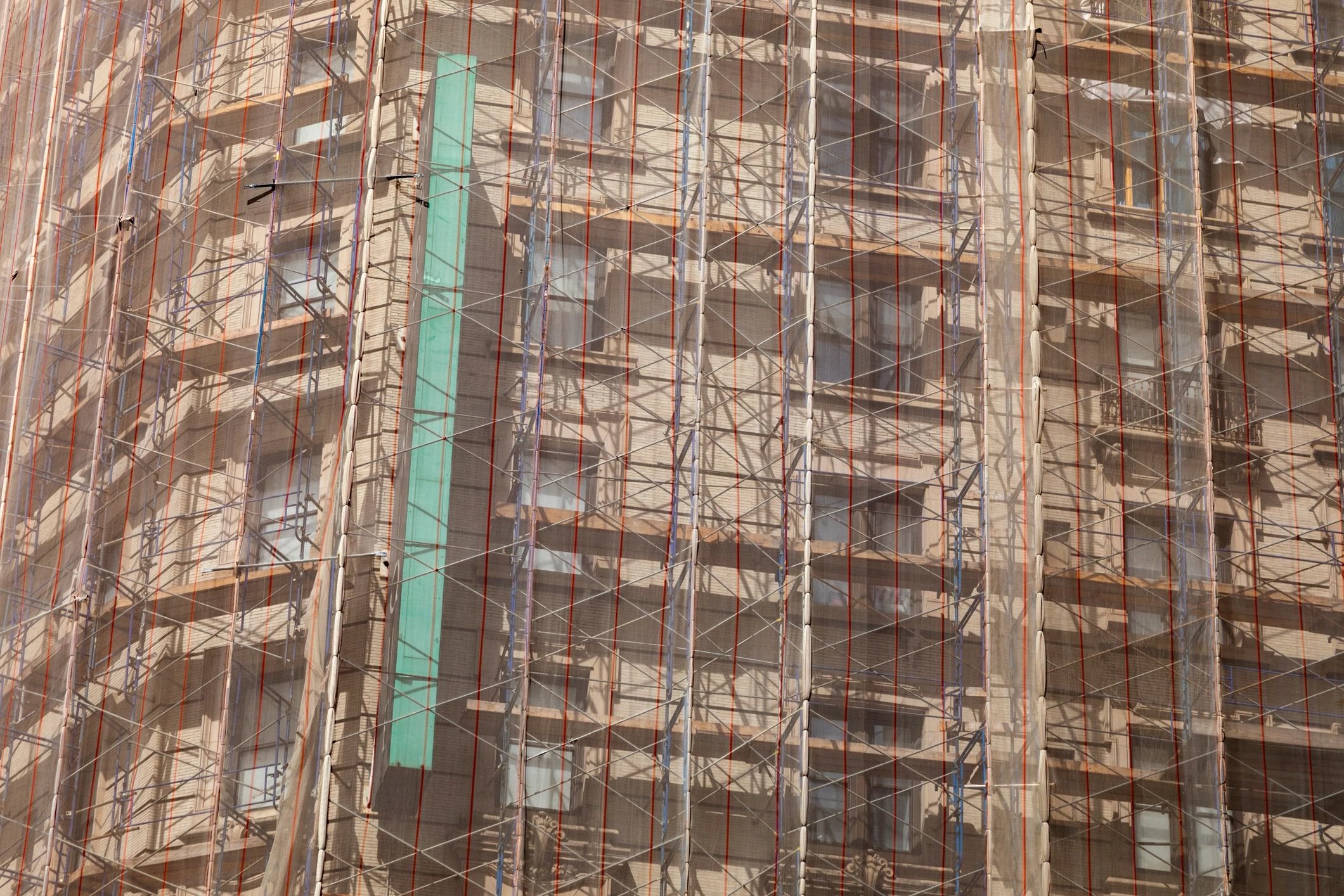
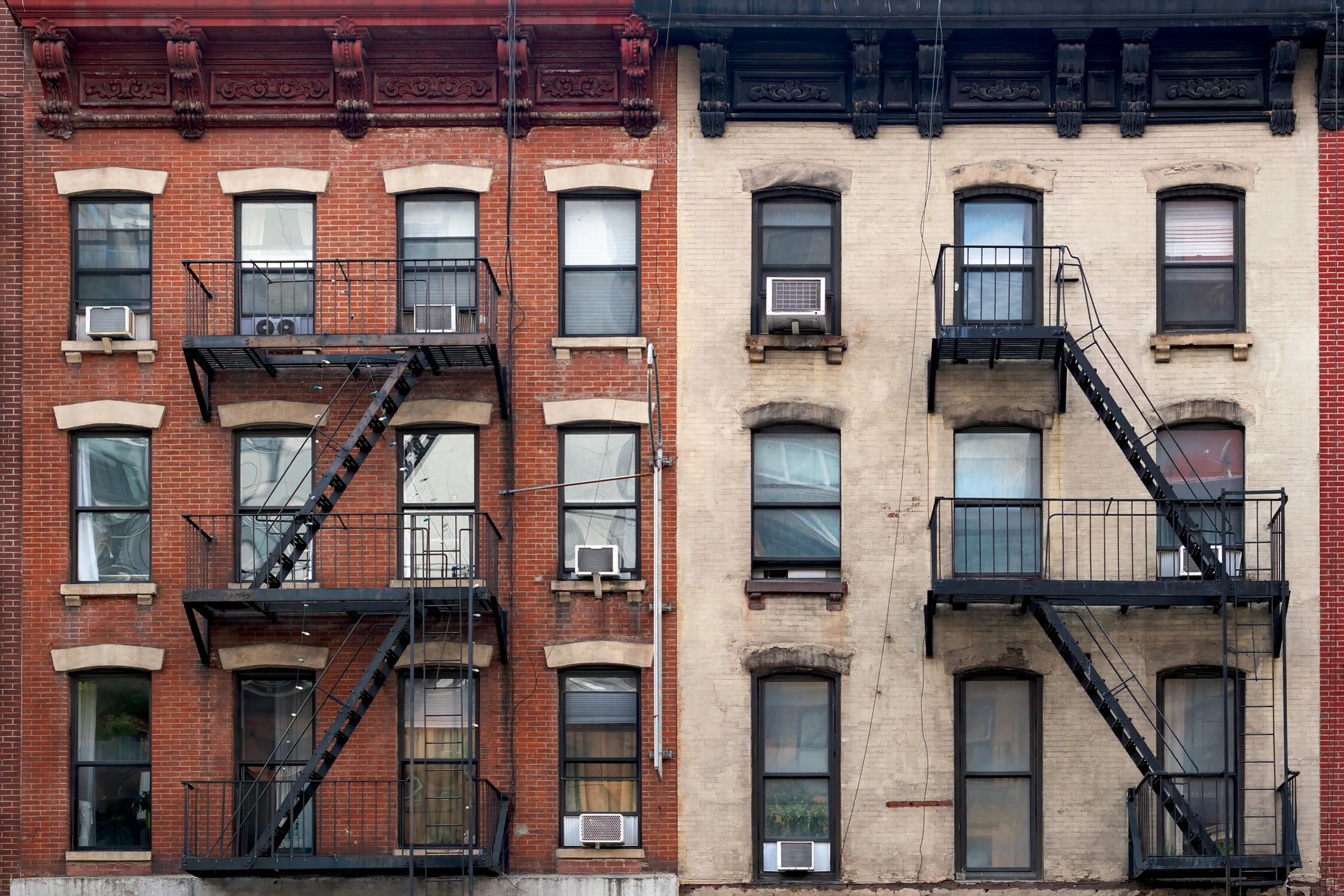
Most commercial buildings carry one of three glazing vintages: single-pane original sashes on pre-1970s stock and many historic structures, early double-pane insulated glass units with failed seals and long-gone gas fills, or 1990s-era assemblies that met the energy code of their day and little more. Each of those gives up energy on every billing cycle. Yet the retrofit decision often stalls for reasons that have nothing to do with glass performance:
- Frame replacement cascades. Conventional high-performance glazing is thick. A triple-pane unit that approaches vacuum-glass thermal performance measures 28 mm or more, which usually means new frames, new stops, and sometimes deeper mullions — and a project price that triples.
- Occupied-building disruption. Tenants forgive a weekend, not a season of scaffolding and swing stages.
- Landmark and historic-district constraints. Review boards protect original sash geometry, and deep replacement units simply do not fit the openings.
Vacuum insulated glazing attacks all three obstacles at once. A standalone THERMGLASS unit is 6.3 to 10.3 mm deep with a flush, portless edge seal, so it drops into a rebate cut for a single pane. The frames stay. The sightlines stay. The landmark geometry stays. That difference converts a full facade replacement into a glass-swap project — and it is where most of the economics are won.
The U-value math that drives the savings
The energy story starts with the U-factor delta between what you have and what you install. Typical center-of-glass values put single-pane glazing near 5.8 W/m²·K and an aging double-pane unit near 2.8 W/m²·K. Standard vacuum insulated glass measures 0.46 W/m²·K center-of-glass with the integral low-E coating.
For the whole-window number your energy model actually sees, the glass blends with the frame under the ISO 10077-1 area-weighted method. With a thermally broken aluminum frame, the standard VIG build lands near 0.73 W/m²·K whole-window (edge effects excluded). Every derivation behind these figures — including the frame fraction — is published on the methodology page.
The delta matters more than the absolute number. Replacing a single pane at roughly 5.8 W/m²·K with a 0.73 W/m²·K assembly cuts conductive heat transfer through that opening by close to 90 percent. Upgrading a tired double-pane unit near 2.8 W/m²·K still cuts it by roughly three-quarters. Those percentages flow straight into heating and cooling load calculations — and through them, into the savings line of your pro forma.
What actually moves the payback number
Two buildings with identical glass can see very different paybacks. The variables that matter:
- Climate severity. Heating and cooling degree-days set how many hours per year the delta-U actually costs you money.
- Energy rates. Commercial electricity and gas prices scale every saved kilowatt-hour; the same facade pays back faster where energy is expensive.
- Glazing share of the envelope. A curtain-wall office spends most of its envelope budget on glass; a punched-window warehouse does not.
- HVAC interaction. Lower U-factors shrink peak heating and cooling loads — which matters most when plant equipment is already nearing its replacement cycle. The peak-load math, including chiller sizing and demand charges, gets its own breakdown in HVAC savings from vacuum glazing.
- Carbon compliance. Building performance standards in a growing list of jurisdictions now put a price on emissions, and envelope upgrades are among the most cost-effective compliance levers available.
- Tenant value. Warmer interior glass surfaces in winter eliminate the cold-radiation zone beside the windows — the reason desks near single-pane facades sit empty — and quieter, more comfortable space supports lease rates and retention.
How the ROI engine computes it
The free ROI calculators on this site package exactly this math. You enter the building basics — glazing area, existing glazing type, frame condition, fuel mix, and local energy rates — and the engine returns annual energy savings and simple payback for the VIG upgrade against your current glazing. The architectural engine ships with a calculation-derived default VIG whole-window U-factor of 0.73 W/m²·K (0.13 Btu/h·ft²·°F), derived under the ISO 10077-1 framework and flagged with an on-page disclaimer until type-approval testing concludes.
Variant engines cover the specialized cases: a passive-house calculator for projects aiming at passive-house enclosure targets, and a BIPV calculator for south-facing curtain wall, where on-glass power generation stacks on top of the thermal savings. All of them run on the same physics engine and the same published methodology, so the numbers in your investment memo match the numbers behind every configurator output on this site.
Running your own numbers in about ten minutes
- Inventory the glazing: approximate glazing area, current glazing type (single pane, double, coated), and frame vintage.
- Open the architectural ROI calculator and enter the building basics.
- Set energy rates to your actual tariff — this single input swings payback more than any other.
- Read the annual savings and payback output, and carry the assumptions banner into your memo so the calculation-derived caveat travels with the numbers.
- Generate the shareable PDF report and send it to whoever controls the capital.
The calculators are free and need no account. If your opening inventory is unusual — curved glass, oversized lites, hybrid builds — note it when you request project-specific engineering support, and the team will model it directly.
Beyond the energy line: the returns spreadsheets miss
Payback math captures the measurable savings but undersells the rest:
- Comfort at the perimeter. Interior glass surfaces stay near room temperature, so leasing desks and seating next to the glass becomes an asset instead of a complaint log.
- Condensation control. Warm inner panes resist winter condensation — a recurring maintenance and mold concern in cold climates.
- Acoustics. Thicker-lite configurations improve sound attenuation for urban sites and aviation corridors.
- Zero floor-area cost. A 6.3 mm build adds essentially nothing to frame depth, so no rentable area is lost — a real advantage over triple-glazed replacements in tight core-and-shell geometry.
- Generation option. Where the facade faces the sun, integrated photovoltaic (BIPV) glass turns the same retrofit into a power plant.
The bottom line
For commercial buildings with single-pane or aging double-pane stock, vacuum insulated glazing is no longer the exotic option — it is the one retrofit path that delivers triple-glazed-class thermal performance without tearing out the frames that make the project expensive. The economics hinge on your climate, your rates, and your glass area, which is exactly why the numbers should come from your building rather than from a brochure.
Run your own case in the architectural ROI calculator, review the assumptions on the methodology page, and bring the PDF to your next capital meeting. If the numbers work on paper, the THERMGLASS engineering team will take it from there.
Keep reading
Climate severity and fuel type are exactly the variables the VIG vs triple glazing payback sweep tests — zone by zone and fuel by fuel, with the premium swept too, so you can see which side of the ledger your building lands on. In New York City, carbon penalties change that ledger — see the Local Law 97 window guide.
Where these retrofits apply is mapped on architectural vacuum glazing.