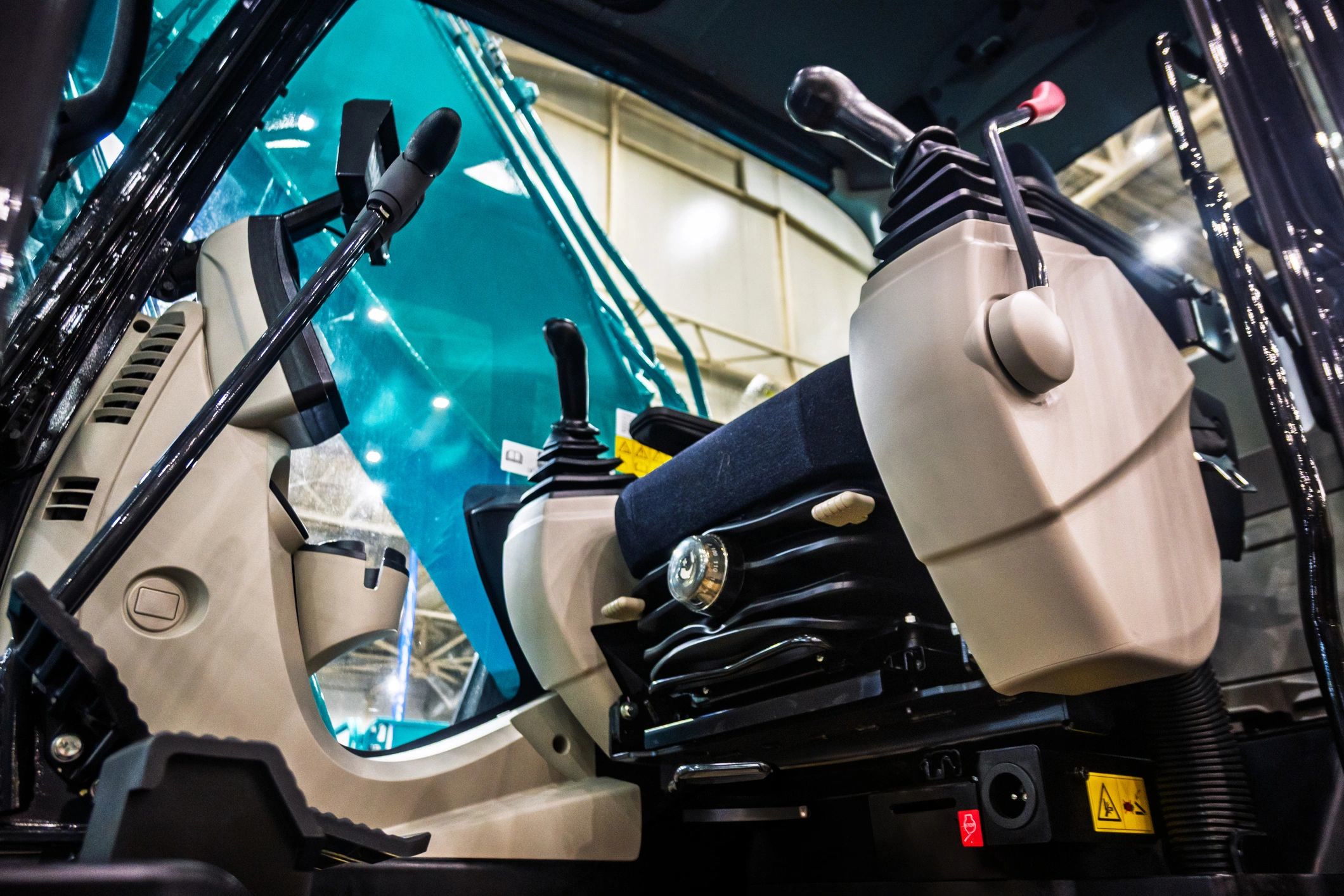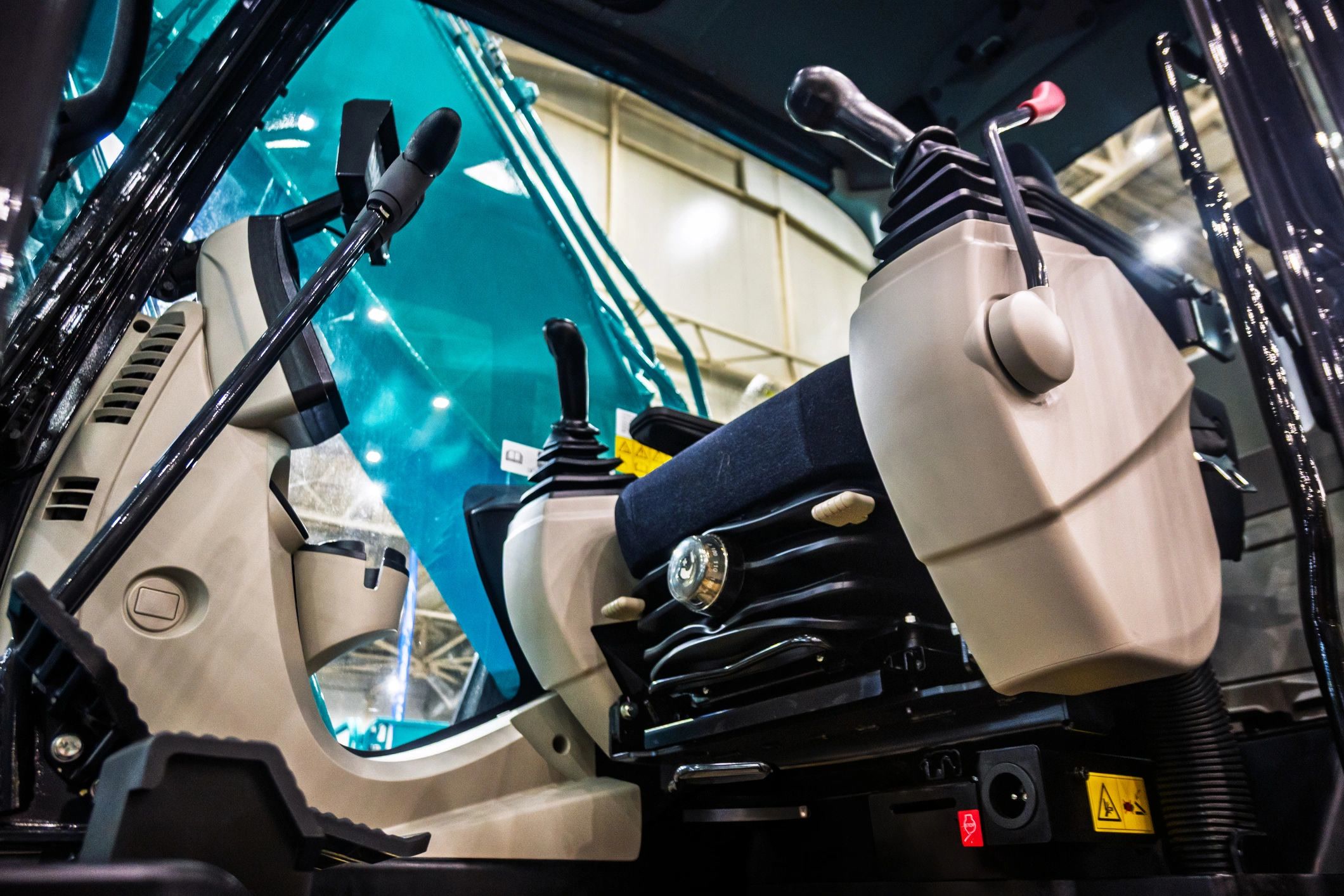

Agricultural machinery cabs have a glazing problem that construction equipment does not. A combine harvester or self-propelled sprayer works in open fields under direct sun for twelve or more hours a day, often in conditions that swing from 2°C (35°F) at pre-dawn startup to 38°C (100°F) by mid-afternoon. The cab is the operator's workplace for that entire window. And unlike a construction site, there is no shade, no building to park beside, and no option to stop when the crop is ready.
The glazing challenge in agricultural cabs is distinct from construction or on-highway vehicles in three ways: thermal cycling severity, chemical exposure from agrochemical drift, and the growing role of precision-farming electronics that generate their own heat load inside the cab. This post covers each, and what vacuum insulated glass (VIG) changes for each one.
Thermal cycling: the field environment is extreme
A cab parked overnight in a northern grain belt in October can be at −5°C (23°F) at startup. By noon the same day, with the sun on the glass and the engine running, the cab interior can exceed 50°C (122°F) before the HVAC stabilizes. That is a 55°C (99°F) swing in a few hours, repeated daily across a harvest season.
Conventional single-pane tempered glass handles thermal cycling well — it is a single homogeneous lite with no seals to fail. Conventional insulated glass units (IGUs) are more vulnerable: the desiccant in the spacer absorbs moisture over time, and repeated thermal cycling accelerates seal fatigue, eventually allowing moisture ingress and fogging.
VIG uses a glass-frit perimeter seal fired at high temperature rather than a polymer spacer. The frit seal is inorganic and does not absorb moisture. The vacuum gap contains no gas to expand and contract with temperature. The result is a unit that is structurally more stable under thermal cycling than a gas-filled IGU — the failure mode that produces fogging in conventional double-pane cab glass does not apply.
These are calculation-derived figures under ISO 19916-1 (EN 673 boundary conditions shown for comparison) — NFRC 100/500 and EN 673 certification testing is in progress.
Chemical exposure: agrochemical drift reaches the glass
Self-propelled sprayers apply herbicides, fungicides, and fertilizers at high volume. Even with boom shields and drift-reduction nozzles, the cab exterior is exposed to chemical overspray during application passes. Over a season, that exposure accumulates on every exterior surface, including the glass.
Standard cab glass is tempered float glass with no special surface treatment. Most agrochemicals are water-based and wash off, but some formulations — particularly sulfur-based fungicides and certain adjuvants — can etch or stain glass surfaces over repeated exposure. The frame and seal system is the more vulnerable component: polymer spacers and butyl sealants in conventional IGUs can degrade under prolonged chemical contact.
VIG's glass-frit edge seal is chemically inert to the agrochemical compounds in common use. The vacuum gap means there is no spacer material exposed to the exterior environment. The glass lites themselves are standard tempered float glass — the same chemical resistance as conventional cab glass — but the seal system that is most vulnerable in a conventional IGU is replaced with a fired ceramic bond.
Frame material selection remains important: aluminum with a Qualicoat-class powder coat or anodized finish is the standard recommendation for chemical-exposure environments. Frame U-value and chemical resistance should be confirmed with the frame supplier.
Precision-farming electronics: a new heat source inside the cab
Modern combine harvesters and large tractors carry significant electronics: GPS guidance systems, yield monitors, variable-rate application controllers, telematics modules, and increasingly large display screens. A fully equipped precision-farming cab can have four or five screens running simultaneously during operation.
Each of those screens generates heat. In a cab that is already fighting solar gain through large glass panels, the electronics load adds to the HVAC demand. The cab climate system has to remove both the solar gain through the glass and the internal heat from the electronics.
VIG reduces the solar gain component. A standalone VIG panel at U ≈ 0.46 W/m²·K (0.081 Btu/h·ft²°F) conducts roughly 13 times less heat than single-pane glass at U ≈ 6.2 W/m²·K. Pairing VIG with a solar-control low-E coating reduces the solar heat gain coefficient (SHGC) further, cutting the fraction of solar energy that enters the cab as heat. The HVAC system then has more capacity available to handle the electronics load without the operator feeling the difference.
On electric agricultural machines — a category that is growing as battery-electric tractors enter the market — the argument is sharper. Every watt of HVAC load that the glazing eliminates is a watt the battery does not have to supply, extending field runtime between charges.
Visibility and fogging in field conditions
Field dust, pollen, and humidity create fogging conditions that are different from urban construction sites. Morning dew on cold glass, pollen season humidity, and the transition from a cool pre-dawn startup to a warm operating temperature all create conditions where cab windows fog on the interior surface.
VIG keeps the interior glass surface near cab air temperature. When the cab is at operating temperature, the interior surface of a VIG panel does not drop below the dew point under most field conditions, so passive fogging resistance is significantly better than single-pane or conventional double-pane glass. Fewer fogged windows means the operator can see the header, the crop rows, and the field boundaries without running the defroster at full output.
Weight and cab structure
Large agricultural cabs use substantial glass areas — a combine harvester cab may have 2–3 m² (22–32 ft²) of glazed area to give the operator visibility of the header and the surrounding field. At that area, the weight difference between glazing options is meaningful.
THERMGLASS standalone VIG at 6.3 mm weighs approximately 15 kg/m² (3.1 lb/ft²). A conventional 24 mm triple-pane unit at the same area weighs approximately 30 kg/m² (6.1 lb/ft²). Across 2.5 m² of cab glazing, that is a 37.5 kg (83 lb) difference — meaningful for a machine where cab weight affects the center of gravity on slopes and the structural load on the cab frame.
Specifying for agricultural equipment
The heavy-equipment configurator at THERMGLASS accepts opening dimensions, climate zone, and coating selection, and outputs U-factor, condensation resistance, and weight for the selected build. The ROI engine models both diesel and electric duty cycles with idle hours counted — relevant for agricultural equipment that idles during headland turns and field transitions.
Configure a cab panel for your machine — U-factor, condensation resistance, and weight for your actual openings.
Model the energy savings in the heavy-equipment ROI engine — diesel and electric duty cycles, with idle hours counted.
Related reading:
- Vacuum Insulated Glass for Construction Vehicle Cabs — technical fit, ANSI Z26.1, and safety glazing requirements
- Cab Glass Is a Hidden Fuel Cost on Every Machine — HVAC load modeling for diesel and electric machines
- Heavy Equipment Cab Glazing: The Operator Comfort Case — heat stress, noise fatigue, and fogging
Questions about agricultural OEM programs or fleet specifications? Contact the team.