
Vacuum insulated glass costs more up front than standard glazing. The question every owner asks is simple: how long until it pays for itself? This guide walks through the method step by step, so you can check any payback claim, including ours.
Step 1: Know the U-value difference
The U-value measures how much heat passes through a window. Lower is better. What drives savings is the difference between your current glazing and the new glazing.
Typical whole-window values in Btu/h·ft²·°F:
- Single-pane: about 1.0 to 1.1
- Older double-pane: about 0.5 to 0.6
- THERMGLASS VIG (whole window): about 0.13 standalone and about 0.10 hybrid, per our ROI model
Step 2: Calculate the heat loss avoided
The basic formula for heat flow through glass is:
Heat flow = U-value × area × temperature difference
Across a full year, the temperature difference is captured by heating and cooling degree-days for your location. Multiply the U-value difference by the window area and the degree-days to get the energy avoided each year.
Step 3: Convert energy to dollars
Divide the energy avoided by your heating system's efficiency, then multiply by your fuel or electricity price. Do the same for cooling. The sum is your annual savings.
Step 4: Simple payback
Simple payback = installed cost ÷ annual savings
The THERMGLASS calculator's price input is the full installed cost of the vacuum units — what you pay for the glazing itself. That makes its payback conservative whenever you would have replaced the glazing anyway; to price the incremental case, subtract what the alternative would have cost from the input.
Step 5: NPV for the full picture
Simple payback ignores the time value of money and the long life of the glass. Net present value (NPV) discounts each future year of savings back to today. A positive NPV over the life of the window means the investment makes money.
Worked example
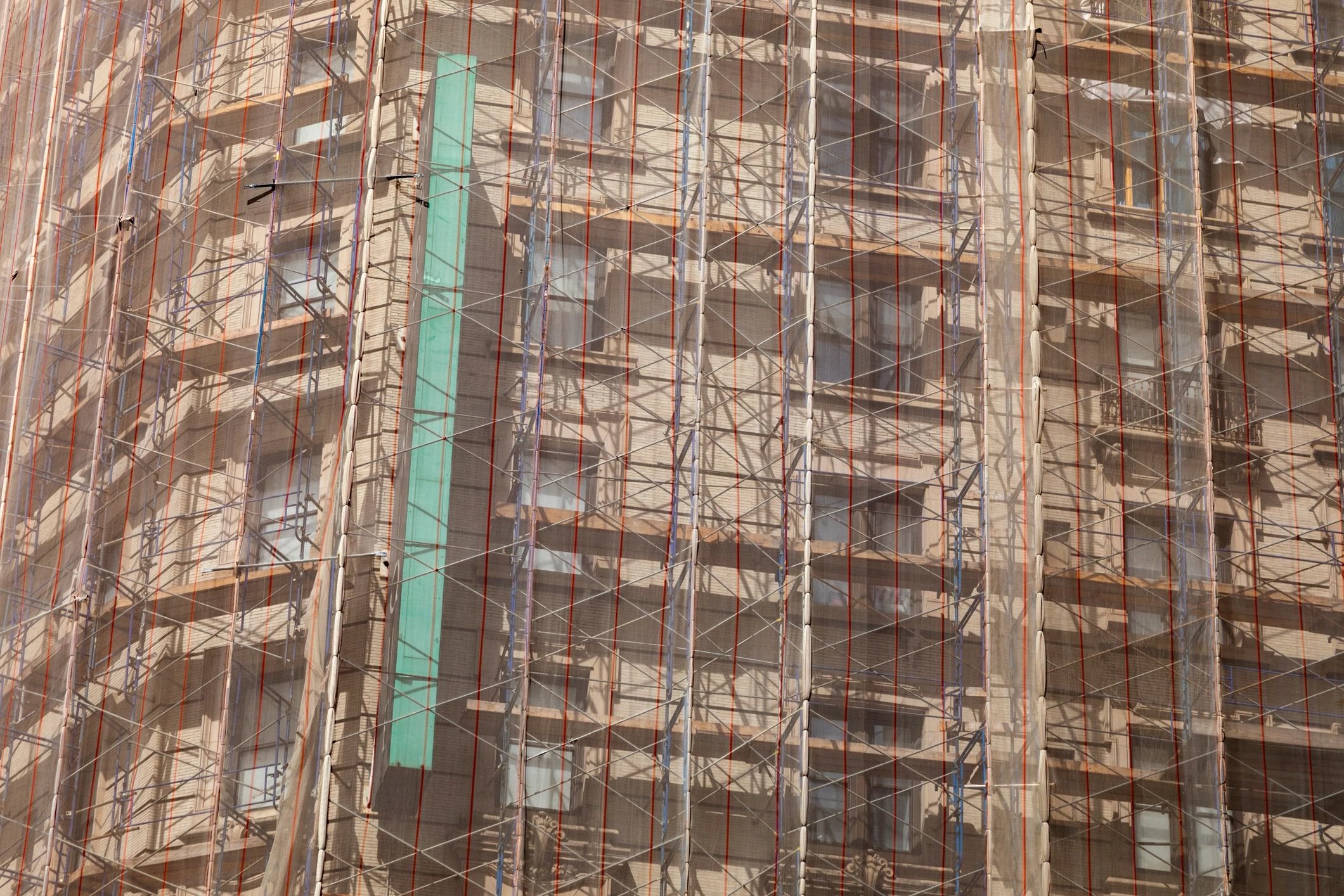
The THERMGLASS ROI Engine's default baseline is a double-pane low-E whole-window (U 0.45); that run returns about $643 a year ($471 heating + $172 cooling) and a 14.0-year payback on 500 sq ft in zone 6. The example below prices the same upgrade against the single-pane glass (U 1.10) still common in older openings, where the effect is largest.
| Input | Value |
|---|---|
| Glazing area | 500 sq ft, IECC zone 6 (8,350 heating / 125 cooling degree-days) |
| Existing glazing | Single-pane, U 1.10 whole-window |
| New glazing | THERMGLASS standalone VIG, U 0.13 whole-window |
| Heating | Gas furnace, 92% AFUE, $1.35/therm |
| Cooling | Central AC (COP 3.5), $0.16/kWh |
| Installed cost | $18/sq ft — $9,000 total, the full installed cost of the vacuum units |
| Energy escalation | 2.5% per year |
| Discount rate | 5% (25-year analysis period) |
Results (engine output):
- Energy saved: 32.1 MWh per year (30,962 kWh thermal + 1,157 kWh electric)
- Annual savings: $1,612 — $1,427 heating + $185 cooling
- Simple payback: 5.6 years
- NPV: $4,805 over 10 years, $15,654 over 20 years and $20,173 over 25 years
- CO₂ avoided: about 6.1 tonnes per year
What changes the answer
- Climate: more heating degree-days means faster payback
- Fuel: oil, propane and electric resistance heat pay back faster than cheap natural gas
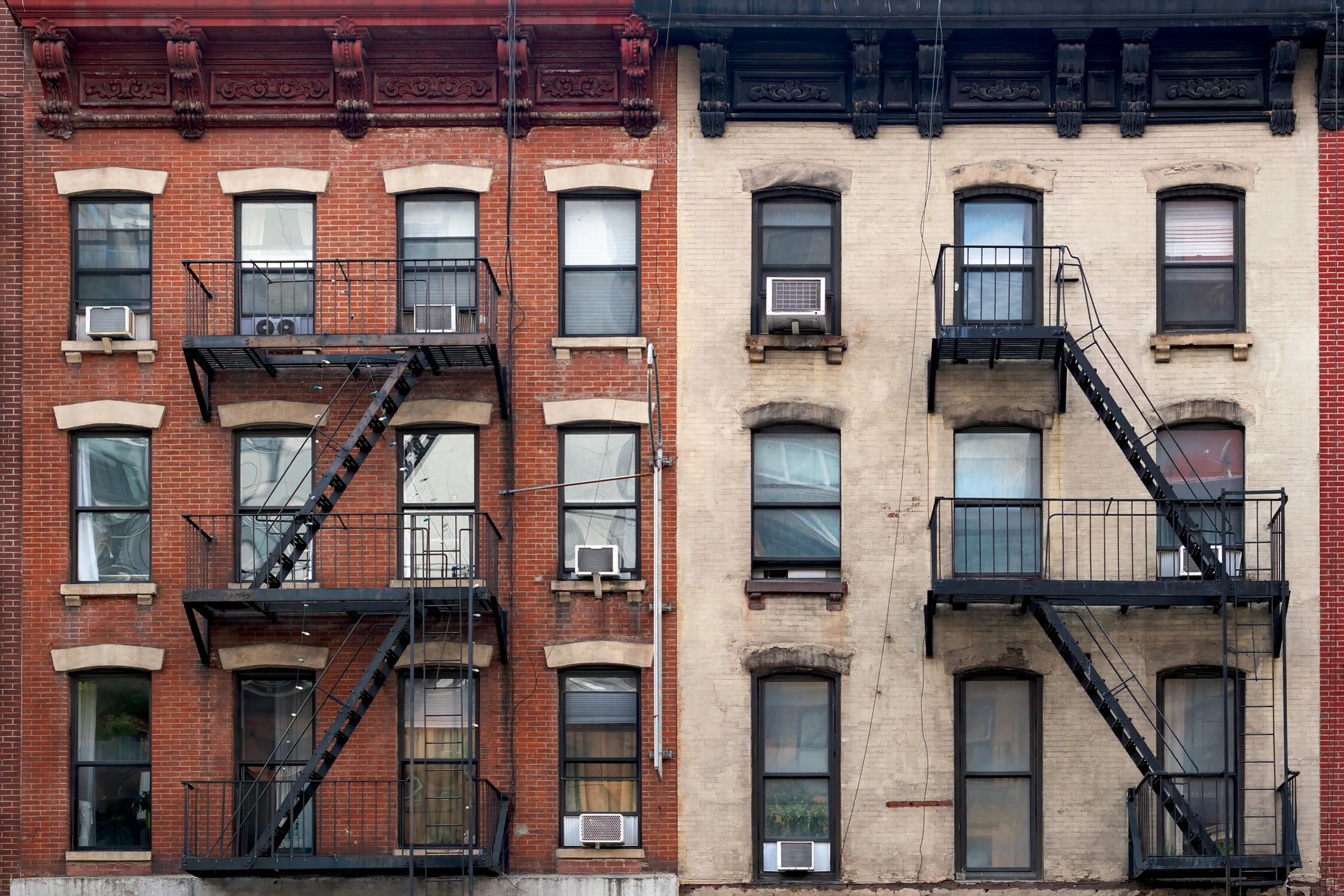
- Starting point: replacing single-pane pays back much faster than replacing good double-pane
- Installed cost: a retrofit that keeps the existing frames avoids the biggest cost
- HVAC sizing: on new projects, lower U-values can reduce equipment size and peak demand charges, which these formulas don't capture
A note on the model
The ROI Engine uses a simplified ASHRAE steady-state conduction calculation. It is a strong first estimate. For large projects, ask your engineer to run a full energy model.
Run your own numbers in the ROI Engine. The results update as you change the inputs.
Keep reading
The formula above is one input set away from a decision. Check what a real project pays in what vacuum insulated glass actually costs, and see how the answer moves across climate zones in the payback scenarios sweep.
The fastest path from formula to answer is the architectural ROI configurator — enter your building once and the payback updates with each assumption.