Yards, naval architects and owners in Europe and the UK work to metric standards, European test methods and EUR budgets. THERMGLASS provides a dedicated EU/UK marine specification so that vacuum glass can be compared on the same terms as the glazing you already use.
Specified the European way
- Center-of-glass U-values calculated to EN 673
- Whole-unit Uw values to EN ISO 10077-1
- Metric dimensions and tolerances
- Pricing in EUR
Why vacuum glass on a vessel
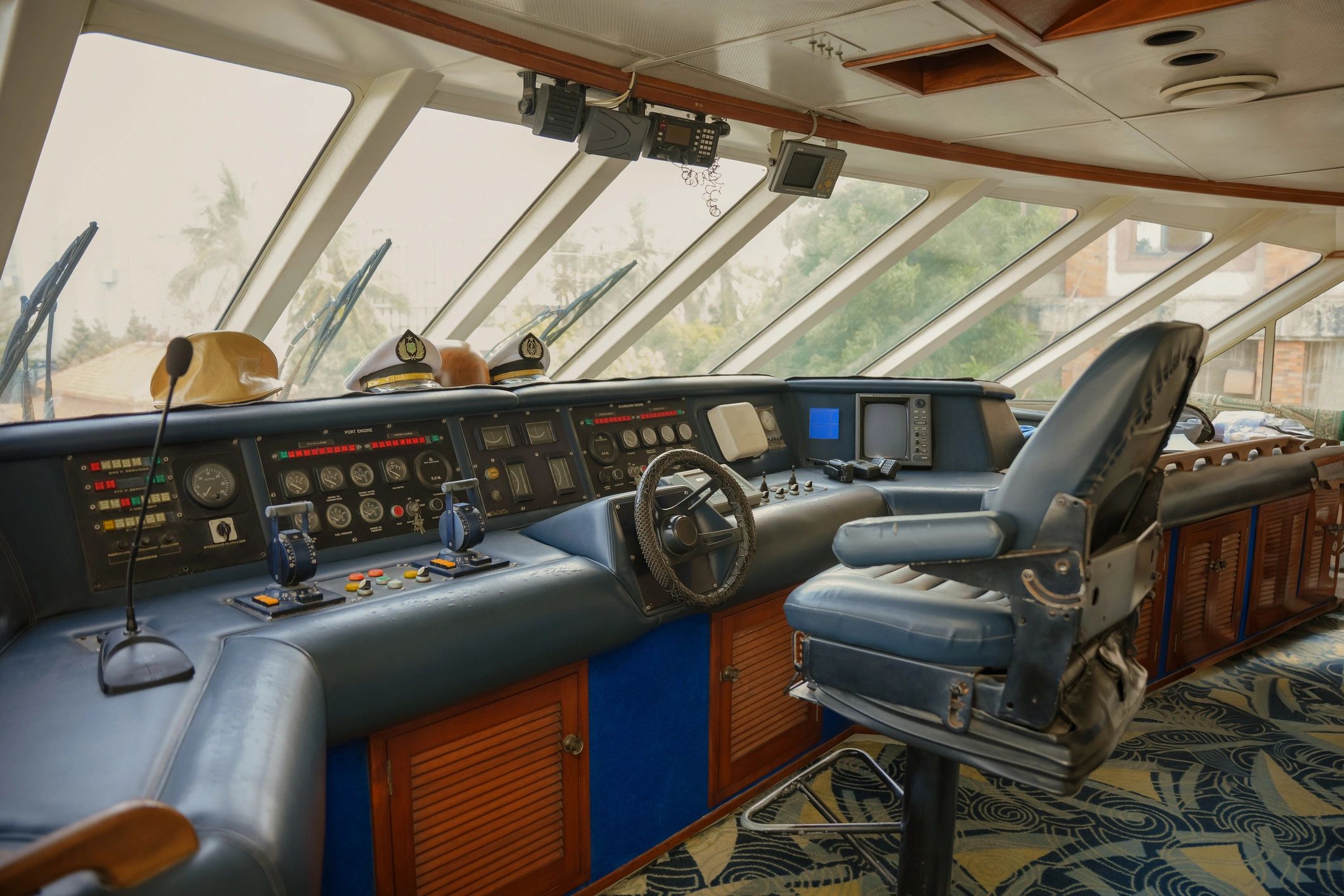
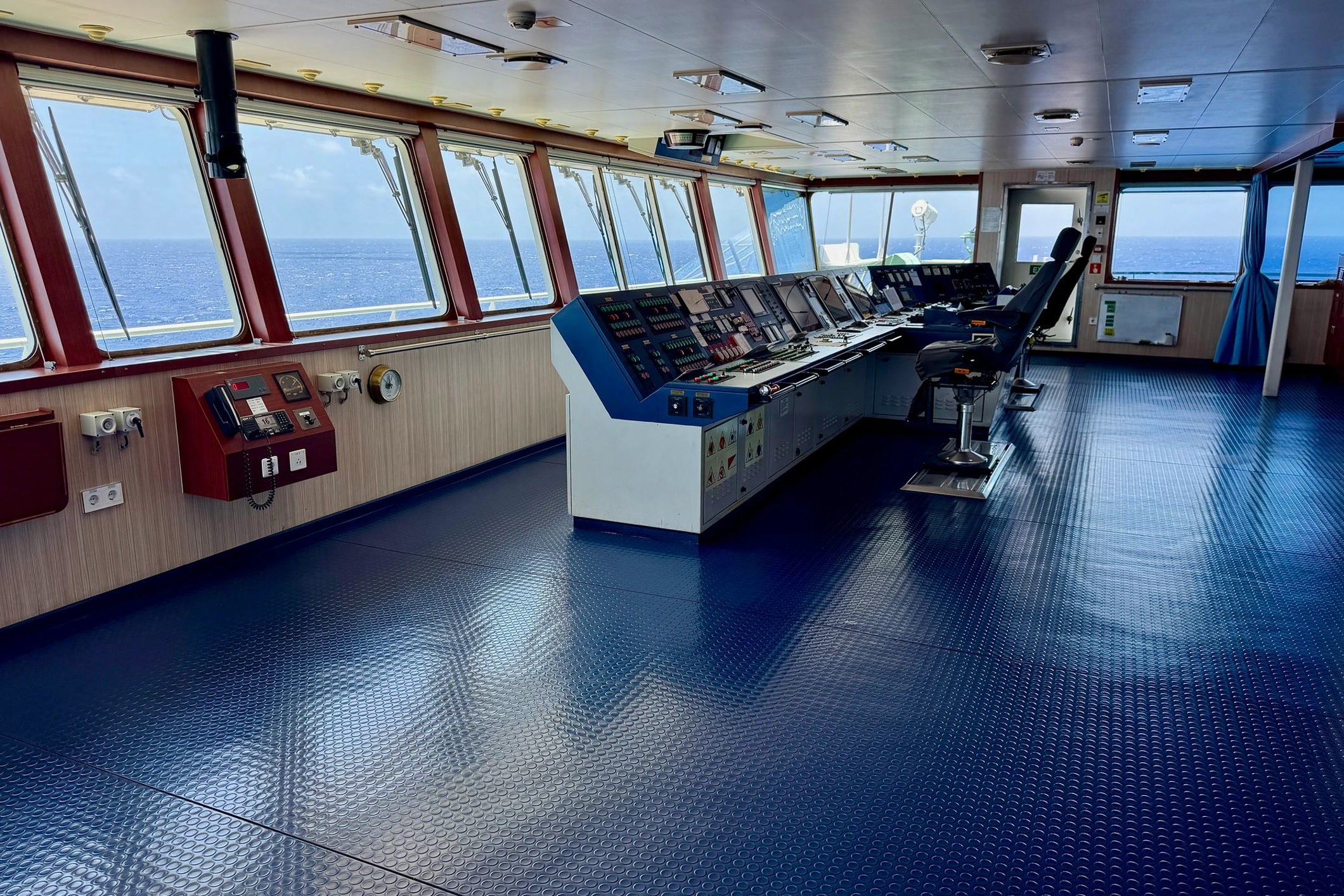
- Condensation: a dry bridge and dry saloon glass, even in cold northern waters
- Weight: thin, light units help with stability and fuel use, which matters most on high decks
- Acoustics: Rw 36 to 42 dB, which reduces engine, wind and sea noise in cabins and on the bridge — see Vacuum Glass Acoustic Performance: STC, Rw, and What the Numbers Mean for the full frequency-range analysis and design-stage estimates
- Space: thin units fit slim mullions and existing frames during refits
Cold and polar waters
Vessels operating in Arctic and Antarctic waters face extreme temperature differences across the glass. THERMGLASS provides a thermal check against Polar Code conditions to help designers confirm that glazing stays clear and the vessel stays comfortable.
Fire and classification
Marine glazing fire requirements sit under SOLAS Chapter II-2 and the FTP Code, assessed on the complete glazed assembly. THERMGLASS provides advisory documentation to support classification review. Confirm the applicable fire requirements with your class surveyor early in the project, before you specify.
Where it fits
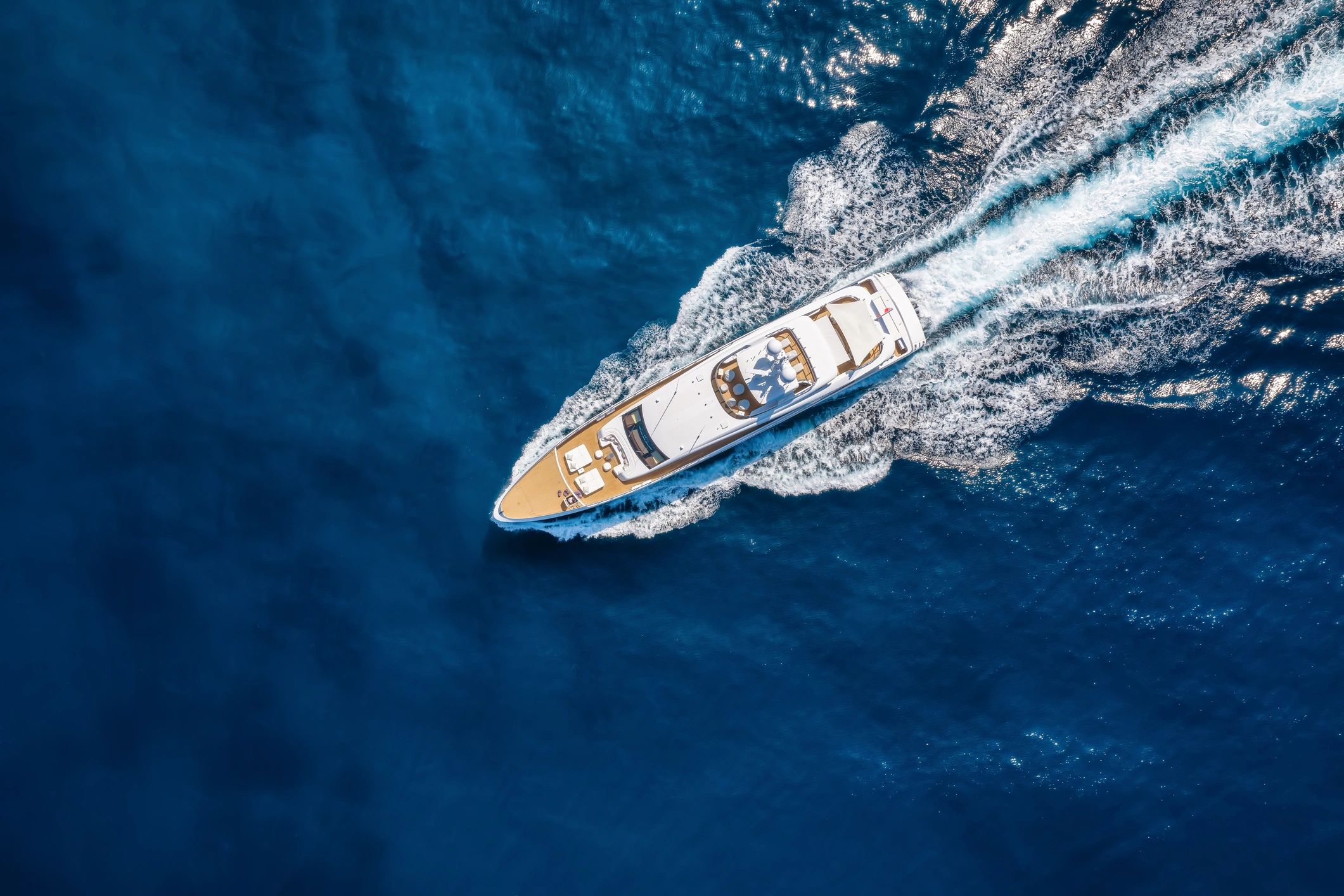
- Superyachts and expedition yachts
- Ferries and passenger vessels
- Commercial and research vessels
- Offshore platforms and accommodation modules
- Refits, where existing frames are kept
Use the EU Marine Configurator, or send us a message for project documentation.
Keep reading
For the physics and the US-side case, see vacuum glass for marine vessels and the 55 m yacht wheelhouse scenario. A 60 m world-cruise scenario is modeled in the superyacht scenario post.
EN-side specification starts at EU and UK marine glazing, with bridge and wheelhouse layouts in the EU marine configurator.