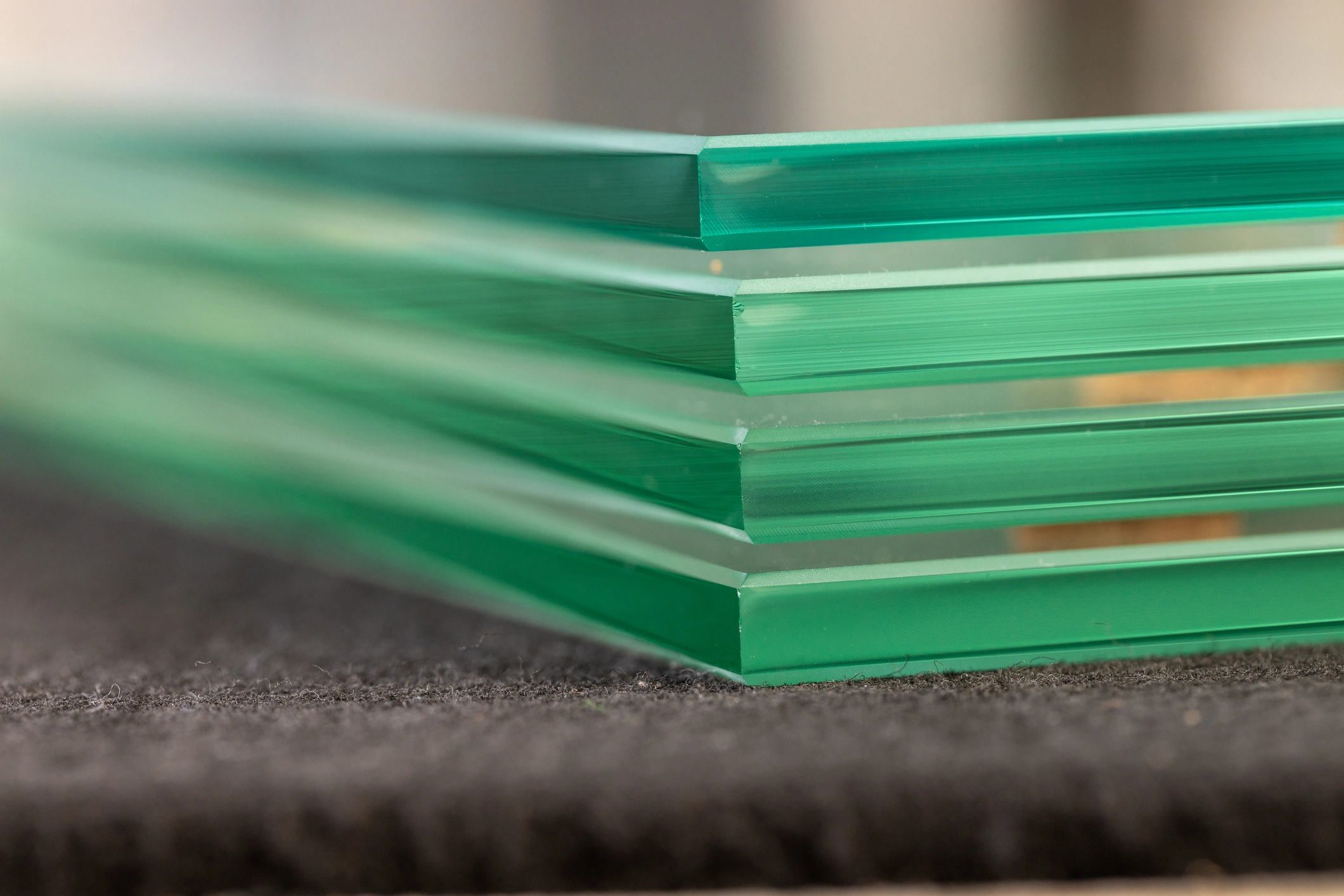
Specifying glazing for a high-performance building envelope means choosing between three fundamentally different thermal strategies — and the right choice depends on more than the U-value alone.
This comparison covers vacuum insulating glass (VIG), triple-pane low-E IGU, and standard double-pane low-E IGU across the metrics that matter most: thermal transmittance, solar heat gain, weight, thickness, and edge-of-glass performance.
The Three Glazing Types
Double-Pane Low-E IGU (The Baseline)
Whole-window U-values (Uw, ISO 10077-1) typically range from 1.2 to 1.6 W/m²·K depending on frame type and spacer system.
Typical specifications:
- Ucog: 1.0–1.2 W/m²·K
- Uw (thermally-broken aluminum frame): 1.4–1.6 W/m²·K
- SHGC: 0.25–0.40
- Total thickness: 24–28 mm
- Weight: ~25 kg/m²
Triple-Pane Low-E IGU
Triple glazing reduces center-of-glass U-values to approximately 0.5–0.7 W/m²·K — but with significant weight and thickness penalties.
Typical specifications:
- Ucog: 0.5–0.7 W/m²·K
- Uw (thermally-broken aluminum frame): 0.8–1.0 W/m²·K
- Total thickness: 28–44 mm
- Weight: ~35–40 kg/m²
Vacuum Insulating Glass (VIG)
VIG eliminates the gas-filled cavity, replacing it with a vacuum layer. The result is a COG U-value of approximately 0.46 W/m²·K in a unit that is 6.3–10.3 mm thick.
THERMGLASS VIG specifications:
- Ucog: 0.46 W/m²·K (EN 673, standalone) — about 0.081 Btu/h·ft²·°F
- Uw (20% frame blend, thermally-broken aluminum; edge effects excluded): 0.73 W/m²·K — about 0.13 Btu/h·ft²·°F
- Total thickness: 6.3–10.3 mm
- Weight: ~16 kg/m² (6.3 mm unit)
Note: NFRC 100/500 and EN 673 type-approval testing is in progress.
Side-by-Side Comparison
| Metric | Double-Pane Low-E | Triple-Pane Low-E | VIG (THERMGLASS) |
|---|---|---|---|
| Ucog (W/m²·K) | 1.0–1.2 | 0.5–0.7 | 0.46 |
| Uw — therm. broken Al (W/m²·K) | 1.4–1.6 | 0.8–1.0 | 0.73 (edge effects excluded) |
| Total thickness (mm) | 24–28 | 28–44 | 6.3–10.3 |
| Weight (kg/m²) | ~25 | ~35–40 | ~16 |
| Retrofit compatibility | High | Low | High |
Where Each Glazing Type Performs Best
Double-Pane Low-E: Cost-Optimized Standard Performance
Double-pane low-E remains the right choice when budget constraints are primary and sub-1.0 W/m²·K whole-window performance is not required.
Triple-Pane Low-E: High Performance, High Weight
Triple glazing is well-suited to new construction in cold climates where the structural system is designed for the weight and the frame profiles are specified accordingly. For the engine-backed head-to-head on acoustics, condensation margin, and payback, see VIG vs triple glazing: sound, condensation, payback.
VIG: High Performance, Retrofit-Compatible
VIG achieves whole-window U-values competitive with triple glazing at the weight and thickness of standard double-pane glass — the only high-performance glazing option that is genuinely retrofit-compatible.
Edge-of-Glass Performance
In triple glazing, two spacer systems create two thermal bridges. VIG's two-lites-one-cavity construction carries a single edge zone — a meaningful advantage for smaller windows with high perimeter-to-area ratios.
Choosing the Right Glazing
- Is retrofit compatibility required? → VIG or double-pane low-E
- Is sub-1.0 W/m²·K whole-window performance required? → VIG or triple glazing
- Is weight a constraint? → VIG only
- Is thickness a constraint? → VIG only
Use the VIG Configurator to spec your project and generate a complete performance report.
Key Takeaways
- VIG achieves triple-glazing-class COG U-values at double-pane weight and thickness
- Whole-window Uw (ISO 10077-1) is the correct metric for building energy modeling
- Triple glazing's weight and thickness penalties make it unsuitable for most retrofit applications
- VIG's retrofit compatibility makes it the only high-performance option for heritage and constrained-frame projects
Keep reading
U-values only tell half the story — interior surface temperature tells the other half. Read how vacuum glass stops window condensation at the dew point, with a worked single-, double-, triple-, and vacuum-glazing comparison. Ships run the same physics harder — see vacuum glazing for ships and workboats for the marine version of the problem. For the engine-backed head-to-head on sound, condensation, and payback, see the VIG vs. triple glazing verdict. For a plain-language starting point, the vacuum glass FAQ covers how vacuum glazing differs from double glazing, typical U-values, and condensation in four quick answers.
To see each stack priced for a real building, use the architectural ROI configurator; architectural vacuum glazing lists the applications where each stack fits.