When a project needs thermal performance beyond ordinary double glazing, the shortlist almost always comes down to two technologies: vacuum insulated glass and triple-pane insulated glass units. Both can deliver center-of-glass U-values that conventional assemblies cannot reach. They get there by opposite physical routes, and the practical differences — unit depth, weight, frame compatibility, and what drives installed cost — decide which one belongs in your specification.
This is a spec-level comparison, not a brochure. Every number below is either published THERMGLASS methodology or standard glazing physics, with the certification caveats stated plainly.
Two routes to the same target
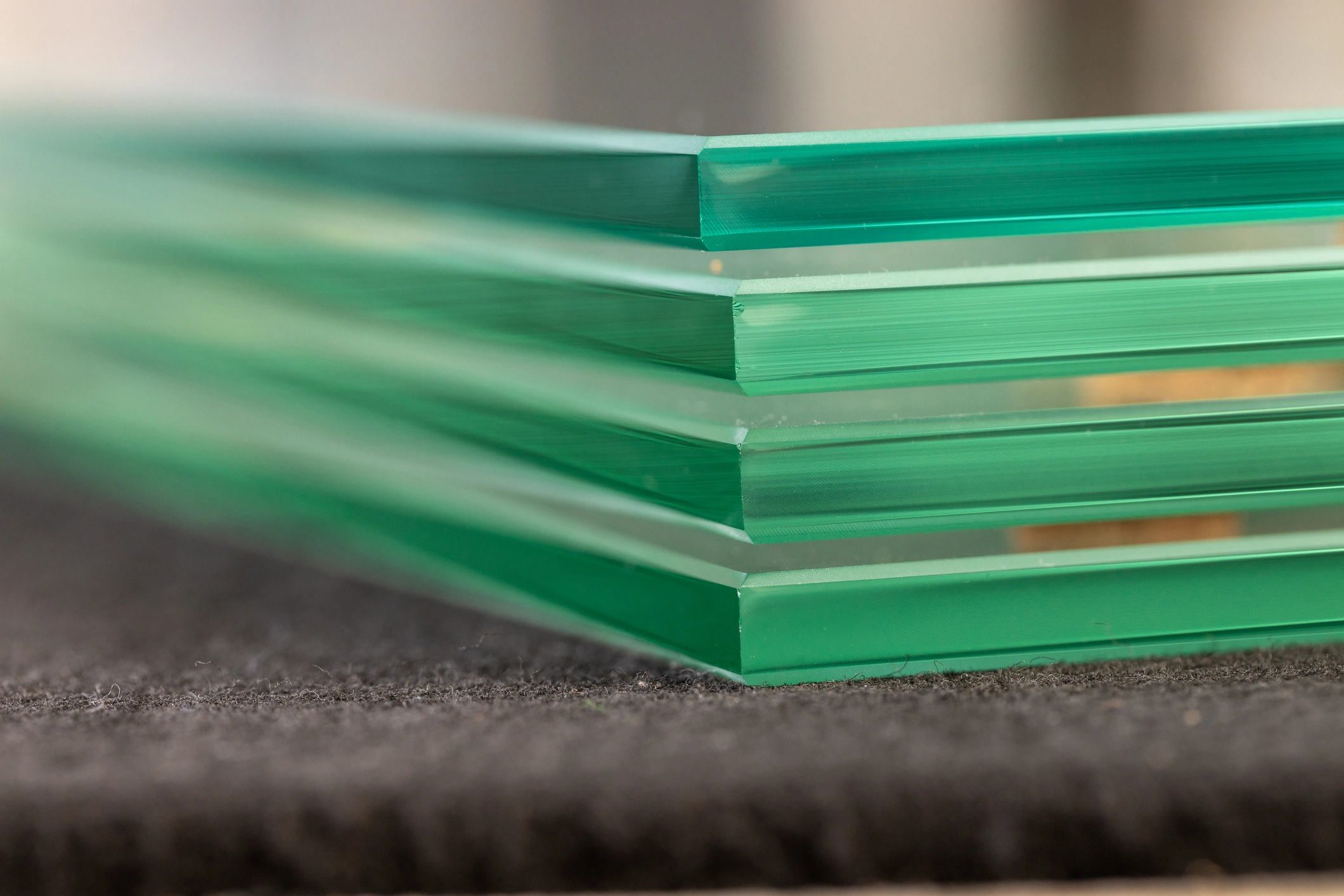
Triple glazing attacks heat transfer with mass and spacing: three lites of glass, two gas-filled cavities, and low-e coatings on the inner surfaces. Each cavity slows conduction with argon or krypton, and the spacing suppresses convection. It works — but it takes depth to do it.
Vacuum glazing removes the working fluid entirely. Two lites separated by an evacuated gap about 0.3 mm wide have essentially no gas to conduct or convect heat, so the remaining transfer path is radiation, managed by low-e coatings. Without gas gaps to build, the unit collapses to roughly the thickness of its two lites.
Same performance target, radically different packages.
U-value: center of glass
Center-of-glass (COG) values from the THERMGLASS methodology, calculated per EN 673 and ISO 10292:
- Standard VIG (integral low-E included): 0.46 W/m²·K (0.081 Btu/h·ft²·°F)
- Hybrid VIG (VIG + IGU cavity): 0.25 W/m²·K (0.044 Btu/h·ft²·°F)
For context, a typical argon-filled triple IGU with two low-e coatings delivers a center-of-glass value in the range of roughly 0.5 to 0.7 W/m²·K depending on coating spec, cavity width, and gas fill; the very best premium triples approach 0.4 to 0.5 W/m²·K. Those are typical published manufacturer ranges, not certified figures — triple performance varies widely by manufacturer, which is exactly why the comparison should be made configuration by configuration rather than technology versus technology.
What the numbers establish: a hybrid VIG build goes well past mainstream triple-pane center-of-glass performance, and a coated 6.3 mm standalone vacuum unit already matches or beats it at one-fifth of the depth.
The same caveat applies to both sides: NFRC 100/500 and EN 673 type-approval testing is in progress for the THERMGLASS configurations above. Treat these as calculation-derived design-stage values, and require certified data for final energy-model inputs.
Depth: 6.3 mm versus 28–44 mm
This is where the technologies stop competing and start occupying different markets.
THERMGLASS standalone vacuum units come in three depths — 6.3 mm (two 3 mm lites), 8.3 mm (two 4 mm lites), and 10.3 mm (two 5 mm lites) — and because the glass-frit edge seal is flush, the overall depth equals the glass plus the 0.3 mm vacuum gap.
A triple-pane unit needs room for two gas cavities plus spacers: typically 28 to 44 mm overall depending on cavity design. That depth dictates the frame system. A triple unit needs sashes and rebates designed around it; a 6.3 mm vacuum unit fits rebates cut for single-pane heritage glass.
Where an opening can accept roughly 20 to 26 mm, a hybrid unit pairs the vacuum pane with a conventional IGU cavity for maximum performance — the only hybrid range THERMGLASS publishes.
Weight: the spec line nobody budgets for
Glass weighs about 2.5 kg per square meter per millimeter of thickness. Do the arithmetic and the comparison is stark:
- 6.3 mm VIG: roughly 16 kg/m² of glass
- Triple unit with three 4 mm lites: roughly 30 kg/m² of glass, before spacer and sealant
That difference compounds everywhere. Sash hardware and balance systems sized for a triple unit cost more and fail more. Crating, freight, and site handling costs scale with mass. Curtain-wall dead-load allowances, marine weight budgets, and RV payload calculations all move in the vacuum unit's favor.
And in retrofit, weight is often the deciding constraint: original sash hardware that would struggle under a 30 kg/m² triple unit carries a 6.3 mm vacuum unit without modification.
Whole-window: the number your energy model actually sees
Neither COG value is the number your energy model uses. Whole-window U-value blends glass and frame:
Uw ≈ 0.80 × Ucog + 0.20 × Uframe (edge effects excluded)
With a thermally broken aluminum frame, a standard 6.3 mm VIG blends to roughly 0.73 W/m²·K whole-window, and the hybrid VIG-plus-cavity build to about 0.56 W/m²·K. A mainstream triple unit blends to a similar neighborhood — which is the honest headline: at whole-window level, a good vacuum build and a good triple build converge. What does not converge is everything it takes to install them.
The frame remains a third or more of whole-window loss in any assembly, whichever glass you choose. Glass upgrades and frame upgrades compound; neither rescues the other.
Cost: what actually drives the installed price
Published unit prices differ, but they are the smallest and least honest part of the comparison. Installed cost is driven by four things, and they cut differently for each technology:
- Glazing unit cost. Triple glazing is a mature, high-volume commodity product; vacuum glazing is a newer precision product with a fused-seal process that is inherently less commoditized. List prices vary by market and specification — get current quotes for your openings rather than comparing outdated figures.
- Frame and sash work. This is where vacuum changes the math. A triple unit frequently requires new sashes or frame modifications to accommodate its depth and weight; a 6.3 mm vacuum unit often drops into the existing opening. In retrofit, avoided construction is frequently the largest single saving on the project.
- Handling and logistics. A unit at roughly half the glass mass costs less to ship, crate, carry, and install — and in constrained sites, weight can be the difference between a two-person install and a crane.
- Energy return. Payback depends on climate, fuel mix, glazing area, and the rest of the envelope. The honest way to compare is to model your own building rather than trust a generic percentage — the THERMGLASS ROI calculator exists for exactly this, and it will take either glazing path as input.
Where all four factors align — deep retrofit, constrained openings, weight-sensitive construction — vacuum glazing wins on installed cost even where its list price is higher. Where the frame system is being built new anyway and depth is unconstrained, triple glazing remains a perfectly rational choice.
Where each technology wins
Triple pane is the right call when: the frame system is new and designed around it, depth is unconstrained, acoustic performance requirements stack on top of thermal ones, and commodity pricing matters most.
Vacuum glazing is the right call when: existing frames or rebates must be kept (retrofit and heritage work), sightlines demand a slim build, weight budgets are tight (marine, RV, overhead and large-format glazing), or the project wants triple-tier thermal performance in a fraction of the package.
There is also a third answer that outperforms both: a hybrid VIG build, which pairs vacuum glass with a conventional cavity for center-of-glass performance near 0.25 W/m²·K in a 20 to 26 mm unit — deeper performance than either standalone technology in a package most triple-glazed frame systems can still accept.
The bottom line
Vacuum glazing and triple pane both clear the high-performance bar; they differ in everything required to get there. Triple glazing buys performance with depth and mass. Vacuum insulated glass delivers equal or better center-of-glass numbers in 6.3 to 10.3 mm — fitting openings a triple unit physically cannot enter, at roughly half the weight, with hybrid builds going beyond both where depth allows.
Compare them on your own project's terms: run both glazing paths through the configurator and ROI calculator with your actual openings and climate, and contact the THERMGLASS team for project-specific engineering support before you commit.
This post is the spec sheet; the verdict post is the decision. VIG vs triple glazing: sound, condensation, payback runs both technologies through the ROI engine at default inputs and adds acoustics and condensation margin to the scorecard.
Keep reading
Pane count shows up in condensation performance too, not just U-values. See why vacuum glass stays drier than triple pane, with a side-by-side surface-temperature comparison at a 0 °F design condition. For the money side, the payback scenarios sweep re-runs the head-to-head across IECC climate zones, heating fuels, and installed premiums — and shows where the verdict moves. For the engine-backed sound and condensation scorecard, see the verdict post. For the fundamentals in one place, see the vacuum glass FAQ — double-glazing differences, typical U-values, and condensation performance.
When the comparison turns into a purchase, the architectural ROI configurator prices both stacks against your building, and architectural vacuum glazing maps specs to applications. For the application-by-application view, see the markets and applications overview.